Dolomites: Stone Towers, High Valleys & Solitude
Published by Editorial Desk
•October 14, 2025
•8 min reading time
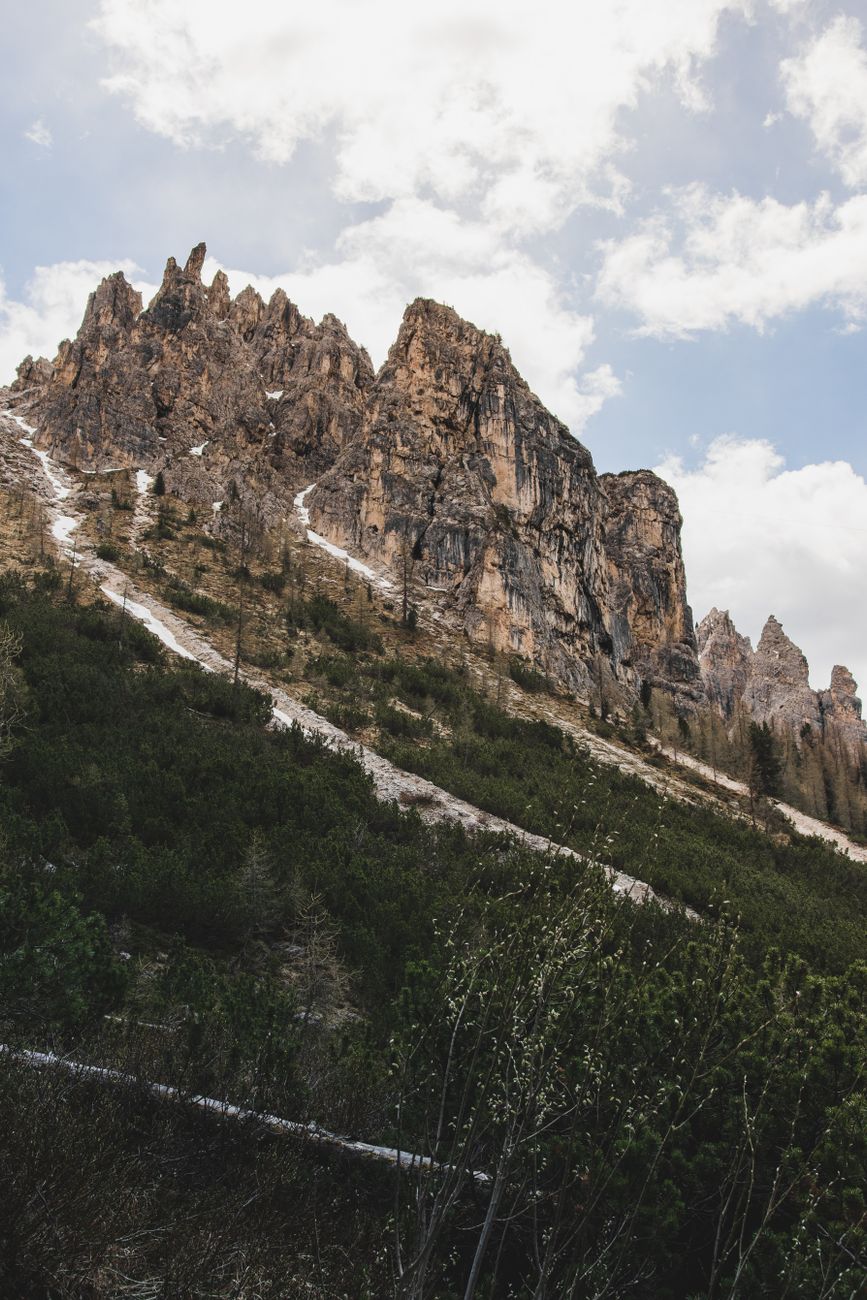
When the morning fog recedes from the Val di Funes, it does not dissolve gently; it snaps open like a linen shutter, revealing perpendicular limestone pinnacles that pierce the sapphire sky.
For centuries, the high alpine passes of northern Italy were regarded by lowlanders as formidable barriers, inhospitable territories where only shepherds and hermits dared tread. Yet modern travellers seeking reprieve from hyper-connected cities find within these jagged limestone folds a rare commodity: genuine atmospheric quietude.
The Evolution of Alpine Architecture
Rather than sprawling resort developments that scar fragile ecosystems, recent decades have seen a quiet architectural renaissance in the region. Architects from South Tyrol have embraced local untreated larch, blackened iron, and rough Dolomite rock to construct understated dwellings that visually dissolve into steep hillsides.
"Architecture in the mountains must not compete with God’s handiwork; it must simply provide a silent platform from which to observe it."
Staying at an unadorned rifugio at 2,400 meters altitude teaches an immediate lesson in resource mindfulness. Solar panels work quietly on roof slopes, glacial melt is filtered for drinking water, and evening meals consist of hearty barley soups, local speck, and rye breads baked with ancient caraway recipes.
Practical Field Notes
- Best Season: Mid-September to late October for golden larch trees and sparse trails.
- Getting Around: Regional electric trains to Bolzano, followed by local rural buses. Avoid rental SUVs on narrow hairpin routes.
- Footwear: Sturdy ankle-high leather hiking boots remain non-negotiable for crumbly scree slopes.
Seek Your Own Alpine Sanctuary
Our private travel curators draft custom alpine journeys with private cabin reservations and guided ridgeline walks.
Request Travel Blueprint