Kyoto: The Timeless Discipline of Silence and Tea
Published by Editorial Desk
•September 28, 2025
•10 min reading time
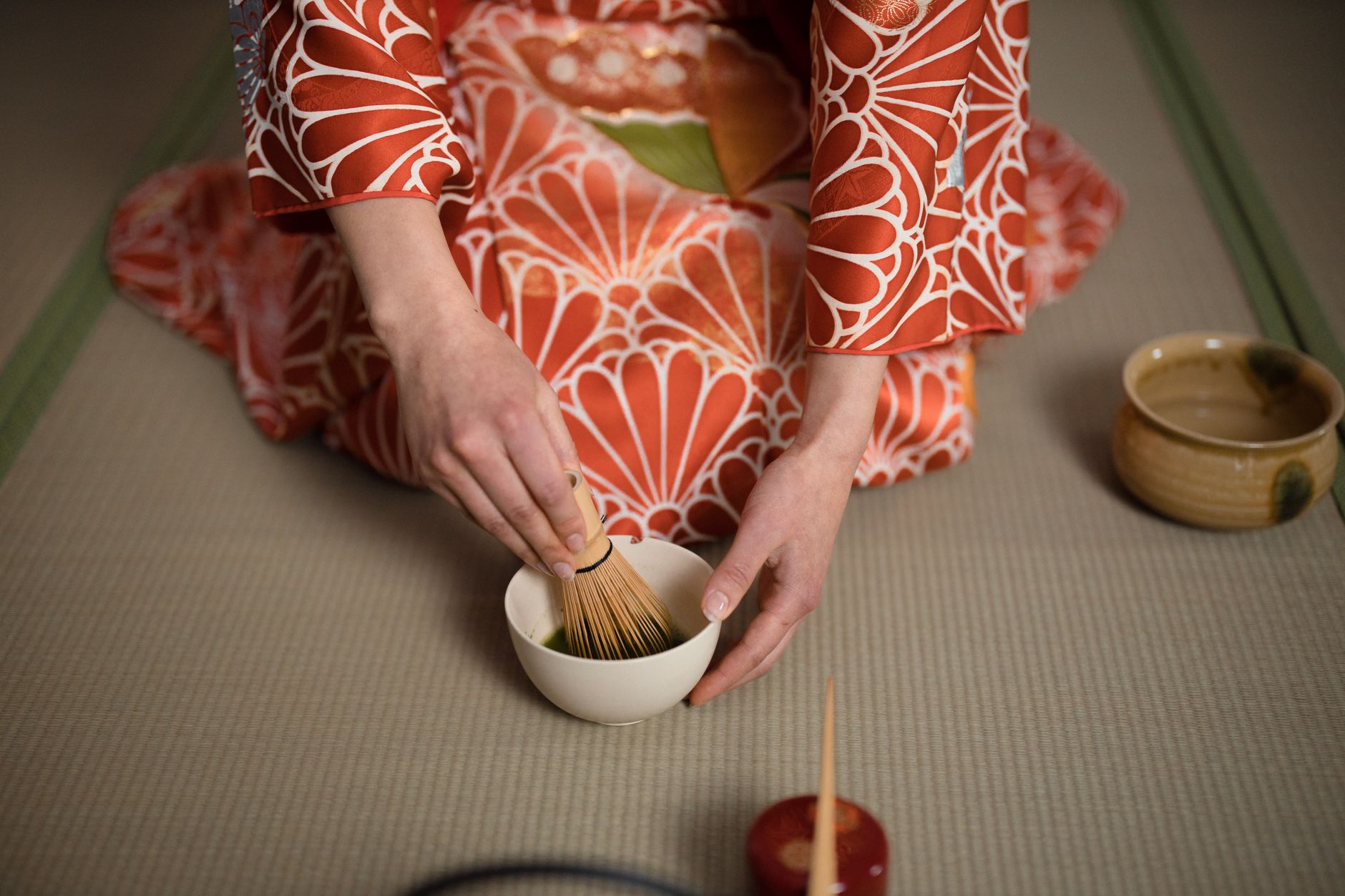
Step beyond the tour-bus corridors of Gion into the narrow flagstone alleys of northern Higashiyama, and Kyoto reveals an entirely different cadence.
Here, the hum of traffic recedes into the delicate rustle of bamboo groves and the rhythmic droplet cadence of bamboo water pipes (shishi-odoshi) striking smooth river pebbles. In a world characterized by relentless speed, Kyoto remains an unhurried fortress of sensory discipline.
The Chanoyu Experience
The Japanese tea ceremony is frequently misunderstood by casual observers as mere social performance. In truth, it represents an intense distillation of Zen aesthetics, hospitality, and temporal awareness. Every gesture by the tea master—from the precise wiping of the black Raku teabowl to the whisking of bright green matcha foam—is designed to anchor host and guest completely within the present fleeting second (ichi-go ichi-e).
"One time, one meeting: recognize that this moment of shared tea can never occur again in all eternity."
Living in Wood and Paper
Choosing to lodge inside an authentic wooden machiya townhouse offers profound lessons in living with climatic rhythms. Tatami reeds breathe with seasonal humidity; paper shoji screens soften harsh midday glare into gentle milky luminescence; and small inner courtyard tsuboniwa gardens bring moss, rain, and autumn maple leaves directly into living quarters.
Travelers who slow down discover that Kyoto does not reveal herself through grandiose displays, but through quiet details: the curve of an unglazed teacup, the scent of burning cedar incense, and the subtle bow of an innkeeper wishing you safe passage.
Experience Kyoto Mindfully
Consult with 111111 for private studio visits with ceramic masters and reservations at historic ryokans.
Inquire with Concierge